2400 Block of 38th Street, Milwaukee
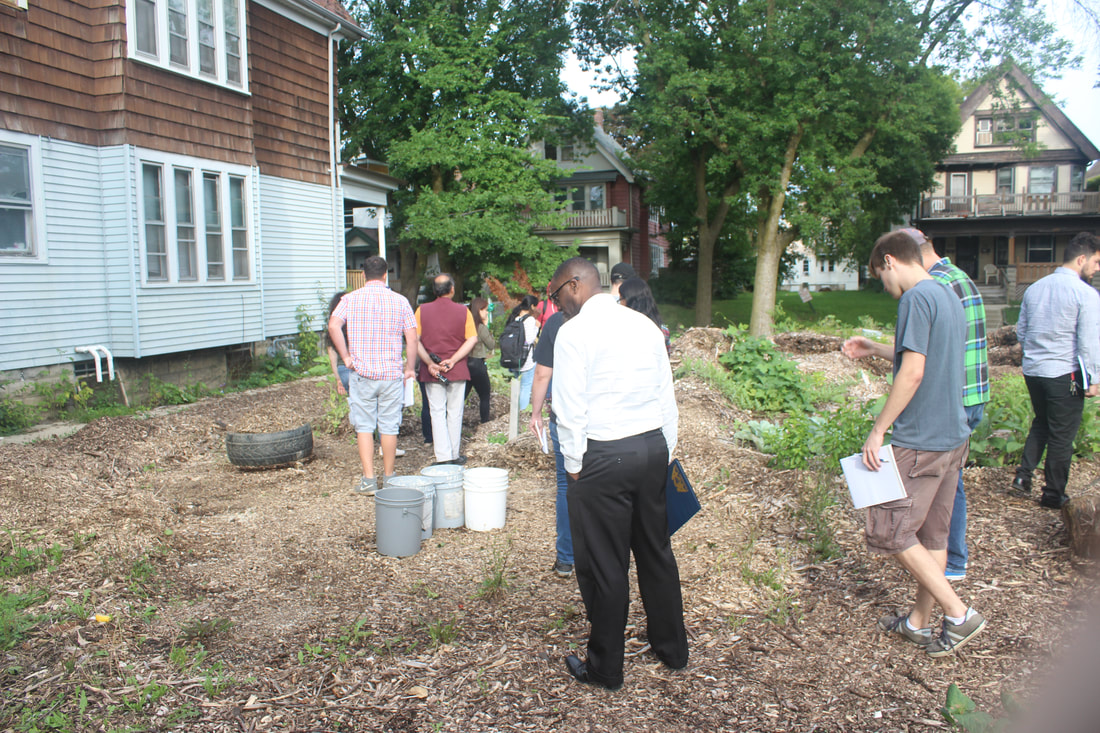


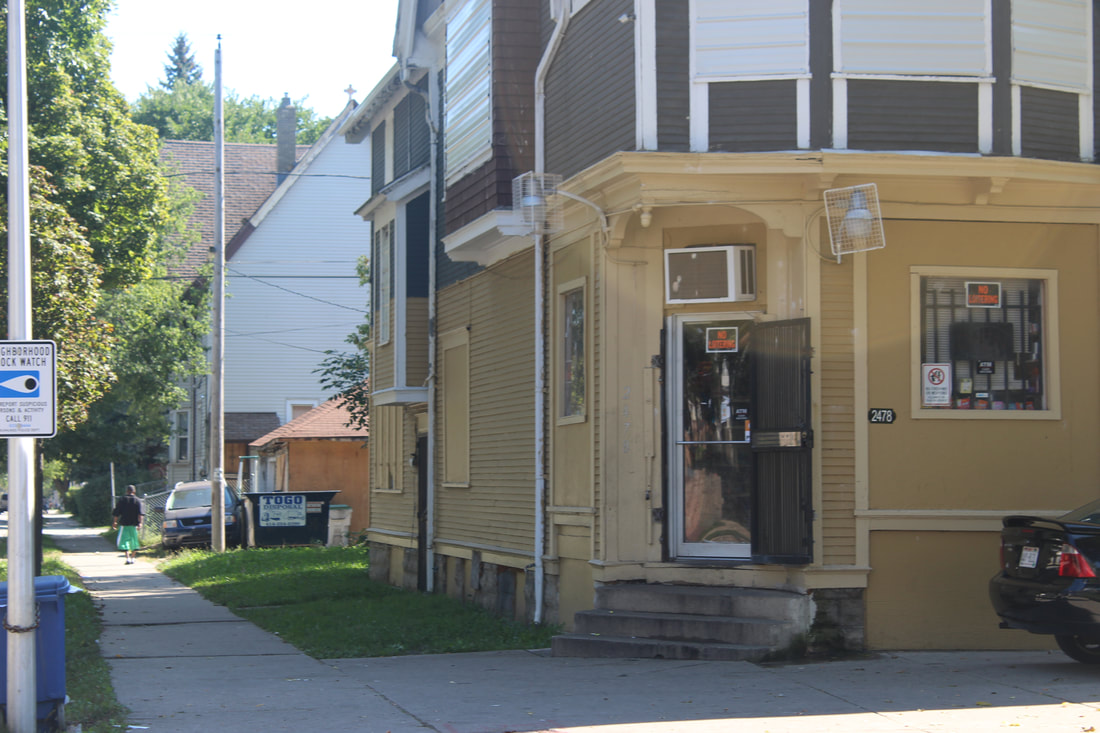
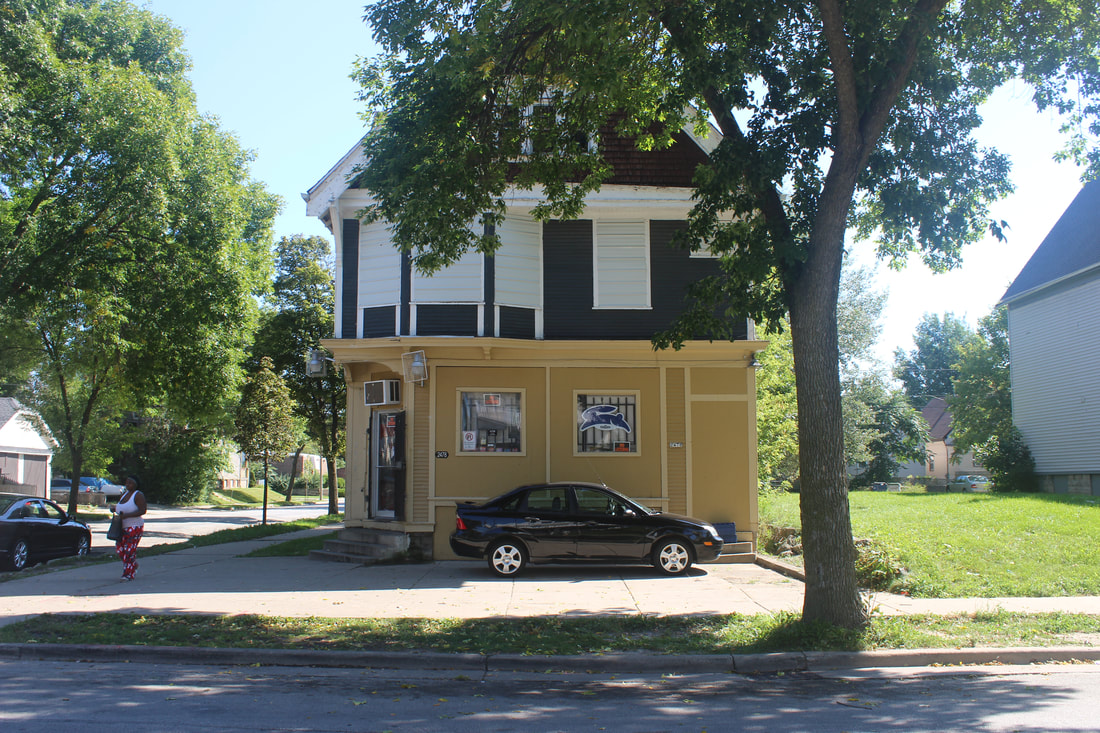
FOOD JUSTICEWhen a single grocer serves an urban square mile; that’s a food desert. But also, when there are enough stores, but no wholesome foods available at an affordable price, that, too, is a food desert.
Particular interest can be taken in low-income, low access¹ neighborhoods, where the food desert correlates with areas of concentrated poverty. A particular vulnerability is recognized here, in that not all of the neighbors over the years have been capable of recovering from the compounded impact of this unequal environment. In this question of equal distribution, not all food is equal. "Food must be available, accessible, and adequate.²" It is not only a right to food, but a right to good food. Here, unhealthy, processed foods outnumber healthy options. The impacts of this food swamp range from direct - higher rate of health complications due to poor nutrition³ - to long term - food illiteracy in the neighborhood and a glorified fast food culture, both of which complicate the issue and make simply providing more sources insufficient. |
FOOD ASSET MAP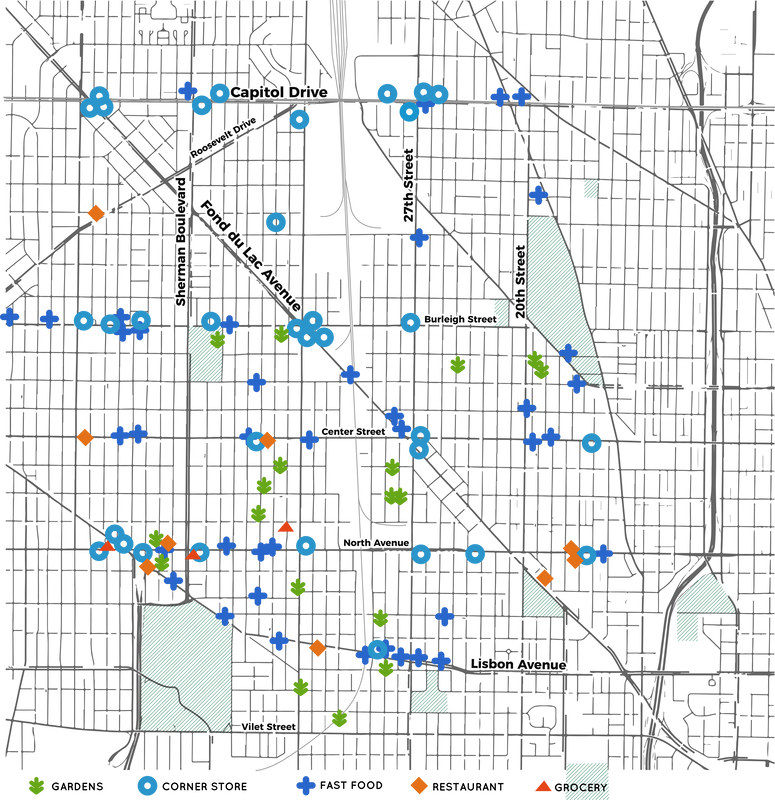
|
HEALTH DATA
1. “Documentation,” USDA, last modified December 5, 2017, https://www.ers.usda.gov/data-products/food-access-research-atlas/documentation/.
"Low Income and Low Access Tract ‘A low-income tract with at least 500 people, or 33% of the population, living more than 1/2 mile (urban areas) from the nearest supermarket, supercenter, or large grocery store.’”
2. “Fact Sheet No. 34: The Right to Adequate Food,” Office of the United Nations High Commissioner for Human Rights, 2.
3. Andrea Freeman, “Fast Food: Oppression Through Poor Nutrition,” California Law Review 95, no. 6 (December 31, 2007): 2228.
"Low Income and Low Access Tract ‘A low-income tract with at least 500 people, or 33% of the population, living more than 1/2 mile (urban areas) from the nearest supermarket, supercenter, or large grocery store.’”
2. “Fact Sheet No. 34: The Right to Adequate Food,” Office of the United Nations High Commissioner for Human Rights, 2.
3. Andrea Freeman, “Fast Food: Oppression Through Poor Nutrition,” California Law Review 95, no. 6 (December 31, 2007): 2228.
